

⚠️ Disclaimer: This is NOT another article offering quick tips or magic formulas for soft skills mastery. If you’re looking for a 30-minute shortcut to being charismatic or a one-day hack to becoming a great leader, stop reading now. Soft skills are not instant noodles—they take time, practice, and persistence. This guide will show you how to train yourself—every day, in real life—to build soft skills that actually stick.
🎯 Soft Skills Are Contextual—Choosing the Right Environment Matters
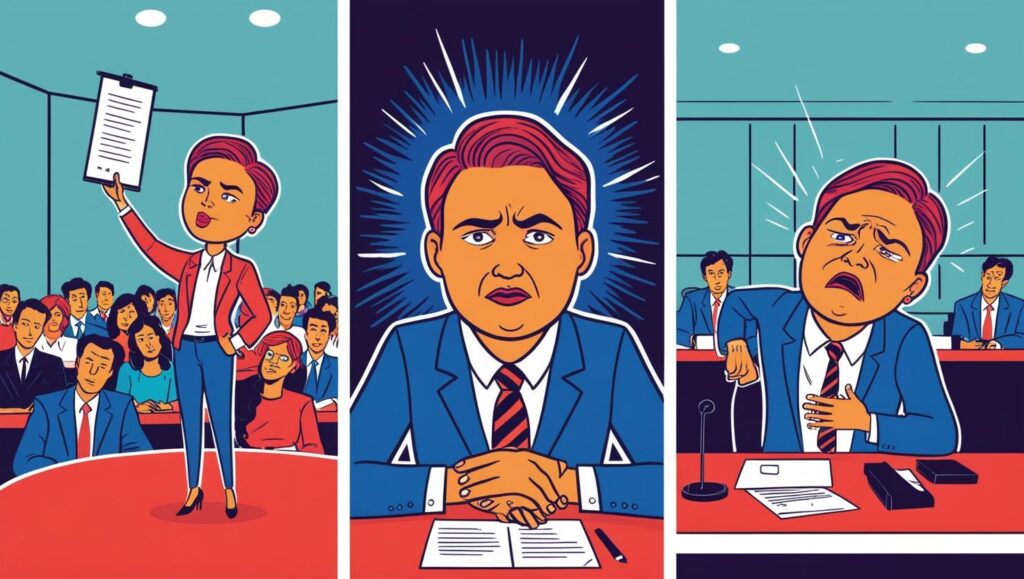
Here’s the catch: soft skills don’t live in isolation. They show up differently based on the environment.
- You might be a confident public speaker in meetings but freeze during high-stakes presentations.
- You could be a great negotiator with clients but struggle with directness when dealing with your boss.
- You might excel at collaboration in a small team but falter in larger group dynamics.
👉 Soft skills are situational. That’s why attending a workshop in a controlled environment won’t prepare you for the unpredictability of the real world. To truly master them, you need to practice in diverse, relevant contexts.
💡 Why One-Off Workshops Are a Waste of Time
Workshops are like crash diets—they promise big results but deliver temporary fixes. Sure, you’ll leave the room feeling enlightened, armed with new buzzwords like “emotional intelligence” or “conflict resolution frameworks.” But when a real-life challenge hits? You’ll default to your old habits.
Why?
Because soft skills can’t be downloaded like an app. They’re behavioral muscles that need regular, real-world workouts. Without continuous application, that post-workshop glow fades faster than a New Year’s resolution.
🚀 The Self-Directed Soft Skills Playbook
Forget workshops. The real classroom is life itself. Here’s how to turn your daily experiences into a non-stop masterclass:
👀 1. Watch and Steal (Like a Pro)
Want to become a better communicator or leader? Don’t read about it—watch it in action.
- Notice how great speakers use pauses for impact.
- Observe how empathetic people listen without interrupting.
- Watch skilled negotiators reframe conversations without being pushy.
👉 TED Talks, podcasts, or even observing workplace pros—everything is a free lesson if you pay attention.
🎯 2. Apply Immediately (Don’t Hoard Knowledge)
Learning about soft skills without using them is like buying running shoes but never hitting the track.
- Read about assertiveness? Use it in your next client meeting.
- Discover a rapport-building technique? Try it on your next Zoom call.
- Learn about active listening? Practice it at home during family conversations.
👉 The sooner you apply what you learn, the faster it becomes second nature.
🔥 3. Ask for Blunt, Honest Feedback
Think you’re a confident speaker? Maybe you sound unsure.
Assume you’re a great listener? You might actually be interrupting constantly.
Soft skills grow with feedback, not self-assessment.
- Ask colleagues how you came across after meetings.
- Record yourself during a presentation—it’s cringe-worthy but eye-opening.
- Use direct questions like:
- “Was I clear and concise?”
- “Did I come across as approachable or distant?”
👉 Honest feedback beats self-delusion.
🚀 4. Get Comfortable with Discomfort
Soft skills are not developed in your comfort zone. You have to make discomfort your personal trainer.
- Avoid public speaking? Force yourself to speak up in meetings.
- Hate small talk? Start conversations with strangers.
- Struggle with confrontation? Handle difficult conversations instead of dodging them.
👉 The more you lean into discomfort, the sharper your soft skills become.
🔄 5. Choose the Right Environment for Real Growth
Soft skills are contextual. To truly master them, practice in different settings.
✅ Test Communication Across Contexts:
- Speak in both formal meetings and casual gatherings.
- Try storytelling in business presentations and personal conversations.
✅ Adapt Leadership Styles:
- Practice assertiveness with peers and diplomacy with senior managers.
- Lead discussions in both structured and spontaneous settings.
✅ Refine Negotiation Tactics in Varied Scenarios:
- Negotiate deals, but also practice persuading colleagues during brainstorming sessions.
- Experiment with tone and approach based on the stakes.
👉 The environment matters. Real growth happens when you test your skills in different contexts, not just in sanitized workshop settings.
⚡️ Stop Chasing Workshops—Start Living Soft Skills
Here’s the harsh truth: No one becomes a master negotiator, leader, or communicator from a PowerPoint presentation.
Workshops introduce concepts—but only real-world application builds mastery.
Instead of attending more workshops, start making every conversation, every meeting, and every interaction a practice ground.
🔥 Because the only workshop you truly need is life itself.
