

Few musical acts in history have commanded the level of global attention and devotion that BTS has. Their impact extends far beyond music charts, spilling into pop culture, digital innovation, and even economic influence. While skeptics may dismiss their success as mere fandom-driven hype, a deeper examination reveals a masterclass in audience connection, strategic brand building, and cultural relevance.
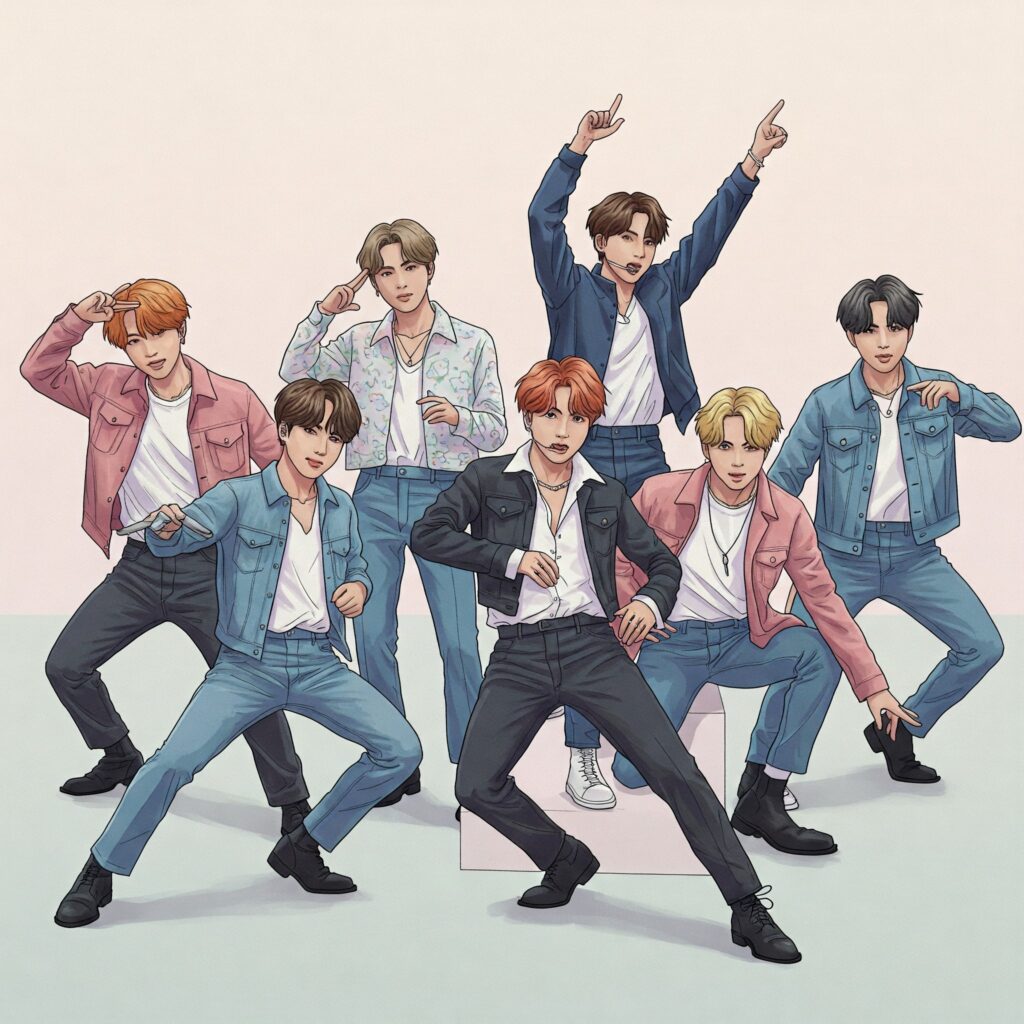
The noise around BTS (Bangtan Sonyeondan) isn’t just hype—it’s the result of a perfect storm of musical innovation, emotional connection, social media mastery, and cultural significance. Whether you’re a fan or just a curious observer, the phenomenon surrounding BTS is worth dissecting.
BTS isn’t just another boy band; they have redefined K-pop by blending hip-hop, R&B, pop, and EDM with deeply personal storytelling. Their albums follow overarching narratives, such as the “Love Yourself” series, which tackled self-love and mental health—topics often ignored in mainstream pop music.
For Example:- Their 2016 album Wings was inspired by Hermann Hesse’s novel Demian, incorporating psychological and philosophical themes—a rarity in pop.
BTS broke into the Western market on their own terms, singing mostly in Korean. Unlike many non-English artists who feel pressured to adapt to American tastes, BTS proved that music transcends language.
- First K-pop group to perform at the Grammys (2020)
- First Asian act to sell out Wembley Stadium (2019)
- First K-pop group to hit No. 1 on the Billboard Hot 100 (Dynamite, 2020)
BTS isn’t just a pop group—they’re an economic and cultural powerhouse.
- South Korea’s Economy: BTS reportedly contributes over $5 billion annually to South Korea’s GDP through tourism, merchandise, and media influence.
- Soft Power & National Pride: The South Korean government granted military service deferrals for BTS members due to their global influence—a privilege usually reserved for Olympic athletes.
What is BTS doing differently that makes them a worldwide phenomenon? More importantly, what lessons can businesses, content creators, and brands learn from them to build authentic engagement?
1. The Power of Authentic Storytelling
BTS isn’t just selling music—they are telling stories that resonate. Their albums follow deep, introspective themes that address mental health, societal expectations, youth struggles, and self-love. Unlike many Western pop artists who focus on commercial love songs, BTS crafts entire narratives that unfold across albums, music videos, and live performances.
Lesson: Emotional Authenticity Wins
- Brands that craft narratives aligned with their audience’s personal struggles or aspirations create stronger emotional bonds.
- Rather than just selling a product, businesses should sell a story that connects to people’s lives.
2. Relentless Fan Engagement (ARMY as a Movement)
BTS fans, known as ARMY (Adorable Representative MC for Youth), aren’t just passive listeners—they actively engage with the group’s deeply relatable lyrics. Unlike many Western pop acts that focus on love and partying, BTS writes about youth struggles, mental health, societal pressures, and self-acceptance.
Example: The song Spring Day became a healing anthem for those grieving personal losses. It was even linked to South Korea’s Sewol Ferry tragedy, where many students lost their lives.
BTS treats their fanbase, ARMY, as co-creators of their success, not just consumers. They interact directly with fans through social media, live Q&A sessions, and handwritten letters, making them feel seen and heard.
The result?
An emotionally invested audience that actively promotes their content, breaks records, and even organizes social impact initiatives under BTS’s name.
Lesson: Turn Your Audience Into Advocates
- Engagement is not a one-way street; brands must involve their audience in meaningful ways.
- Creating a sense of belonging and ownership fuels loyalty and organic marketing.
3. Mastering the Digital Era
BTS did not rely on traditional media for exposure. Instead, they built their empire through social media dominance, self-produced content, and fan-driven virality.
- Their early rise was fueled by Twitter, YouTube, and Weverse, where they constantly shared behind-the-scenes content, personal vlogs, and music-making processes.
- They pioneered the concept of “fandom economies” where fans actively participate in streaming campaigns, bulk-buying albums, and even translating Korean content into multiple languages.
Lesson: Own Your Digital Space
- Content creators and brands must embrace platform-native storytelling—every medium has a different language and audience.
- Transparency and accessibility foster a stronger, more invested community.
4. Breaking Cultural Barriers Without Compromise
Unlike past non-English artists who adapted to Western markets by switching to English, BTS stayed true to their Korean roots while making their music globally accessible.
- They leaned into subtitles, social media translations, and storytelling that transcends language.
- Their music videos, choreography, and universal themes made them relatable even to non-Korean speakers.
Lesson: Authenticity Over Assimilation
- A brand’s unique identity is its strength—don’t dilute it for the sake of broader appeal.
- The key is cultural inclusivity, not cultural erasure.
5. Multi-Layered Content Strategy
BTS doesn’t just release an album—they create an entire experience. Every comeback includes:
- Teasers, cinematic music videos, conceptual visuals
- Web series, documentaries, and interactive fan events
- Clues hidden in their content, making fans engage in theories and discussions
This strategy creates an immersive content universe, keeping audiences engaged even between major releases.
Lesson: Build a Content Ecosystem
- The best engagement doesn’t end at the product—it extends into experience-driven storytelling.
- Keeping audiences intrigued with layered content increases long-term retention.
6. Social Impact & Cultural Relevance
BTS is not just about entertainment; they align themselves with social causes that matter to their audience.
- They’ve spoken at the United Nations (UN), advocating for self-love and youth empowerment.
- They actively support movements like Black Lives Matter, climate change initiatives, and UNICEF’s #ENDviolence campaign.
Lesson: Purpose Drives Passion
- Consumers support brands that align with their values.
- Social responsibility is not just a PR tool—it’s an engagement strategy.
The Future of Connection: What BTS Teaches Us About Audience Loyalty
BTS’s model of audience connection extends far beyond the music industry—it serves as a strategic blueprint for any brand, creator, or entrepreneur aiming to cultivate deep, lasting relationships with their audience. Their success is not merely about catchy songs or synchronized choreography; it is rooted in a meticulously crafted yet deeply authentic engagement strategy that keeps fans emotionally invested for years.
1. Authenticity and Storytelling Drive Emotional Loyalty
BTS doesn’t just sell music—they share their journey, struggles, and growth in a way that feels deeply personal. Their albums, from The Most Beautiful Moment in Life series to Map of the Soul, are conceptual narratives reflecting real-life experiences, emotional struggles, and philosophical introspection. By being transparent about their hardships—from mental health battles to the pressures of fame—they foster an emotional connection that makes fans feel seen and understood.
Brands and content creators can learn from this by embracing vulnerability and genuine storytelling rather than curating a facade of perfection. The more an audience can relate to a brand’s values and journey, the stronger their loyalty becomes.
2. Digital-First Engagement Fosters a Global Community
BTS revolutionized audience engagement through a digital-first strategy, harnessing platforms like Twitter, Weverse, YouTube, and TikTok to create direct and unfiltered connections with fans. They reply to comments, host live streams, and post behind-the-scenes content that makes fans feel like they are part of their world. This constant interaction keeps their audience engaged, even when no new album is being released.
In a time where digital presence dictates relevance, businesses and creators must recognize the importance of active, two-way engagement. Consumers no longer just buy a product—they invest in a community, and BTS’s approach proves that consistent, meaningful interaction is the key to fostering long-term relationships.
3. Cultural Confidence and Inclusivity Create Universal Appeal
Unlike many artists who attempt to localize their image to fit different markets, BTS remains unapologetically Korean while still resonating with a global audience. They primarily sing in Korean, incorporate traditional Korean themes in their music and visuals (as seen in IDOL and Daechwita), and confidently embrace their heritage. Instead of diluting their identity, they invite the world to appreciate it.
This lesson is crucial for brands aiming for global reach: authenticity in cultural representation is more powerful than forced assimilation. Rather than trying to be something for everyone, companies can create deeper connections by embracing their unique identity and allowing consumers to engage with it on their own terms.
4. Multi-Platform Content Ecosystems Sustain Long-Term Relevance
BTS does not limit their content to just music releases; they have built an entire ecosystem of entertainment. From docuseries like Break the Silence and Burn the Stage to reality shows like Run BTS, as well as interactive fan experiences on Weverse, their presence spans multiple formats, ensuring continuous engagement. Fans don’t just listen to BTS—they watch them, interact with them, and immerse themselves in their world.
This approach highlights the need for businesses and content creators to diversify their presence across multiple platforms. A single-channel strategy is no longer enough—consumers want varied touchpoints to engage with their favorite brands and creators, whether through video, social media, podcasts, or interactive experiences.
5. Social Responsibility Strengthens Brand Trust
Beyond entertainment, BTS actively advocates for social issues, from mental health awareness to anti-violence campaigns with UNICEF (Love Myself initiative). Their philanthropy and activism reinforce their credibility and integrity, making fans feel proud to support them.
Modern audiences expect more than just products or entertainment; they seek alignment with values they believe in. Whether it’s sustainability, diversity, or ethical business practices, brands that take a stand on important issues earn deeper trust and loyalty. BTS has shown that when a brand or public figure integrates social responsibility into its core values, it transcends transactions and builds meaningful relationships with its audience.
Final Thought: Will More Brands Follow This Blueprint?
Some might argue that BTS is overhyped, but their consistent musical evolution, cultural impact, and dedicated fanbase suggest otherwise. Whether or not you like their music, it’s undeniable that BTS is more than just a pop group—they are a global movement.
So, is the noise around BTS justified? Or is it just another chapter in the history of pop culture’s biggest sensations?
As businesses, content creators, and artists look for new ways to break through the noise, will they learn from BTS’s playbook? Or will they continue with outdated models of engagement, missing out on the opportunity to truly connect with their audience?
If BTS has proven anything, it’s this: REAL ENGAGEMENT IS NOT BUILT ON TRANSACTIONS, BUT ON TRUST, PARTICIPATION AND PURPOSE
Disclaimer: This article is inspired by BTS’s global phenomenon, but let’s be clear—we are not BigHit Entertainment, nor do we have access to RM’s brain, Suga’s wisdom, or Jungkook’s sheer golden maknae energy.
While every effort has been made to analyze their success, this isn’t an official BTS blueprint (because if it were, we’d be topping charts too).
Reader discretion is advised: Excessive reading may result in sudden appreciation for K-pop marketing strategies, unexpected ARMY enlistment, or the uncontrollable urge to stream Dynamite one more time. If side effects persist, just go with it—Borahae! 💜
