

So, you just bought an electric vehicle (EV), feeling like an eco-warrior ready to save the planet. You plug it in, take a deep breath, and think, Ah, zero emissions, baby!
But hold up—what’s actually powering that charge?
If you’re in a place where most electricity comes from coal, congratulations! You didn’t eliminate emissions—you just moved them somewhere else. Instead of burning gasoline in your car, you’re now burning coal, natural gas, or whatever fossil fuel keeps your local power grid alive.
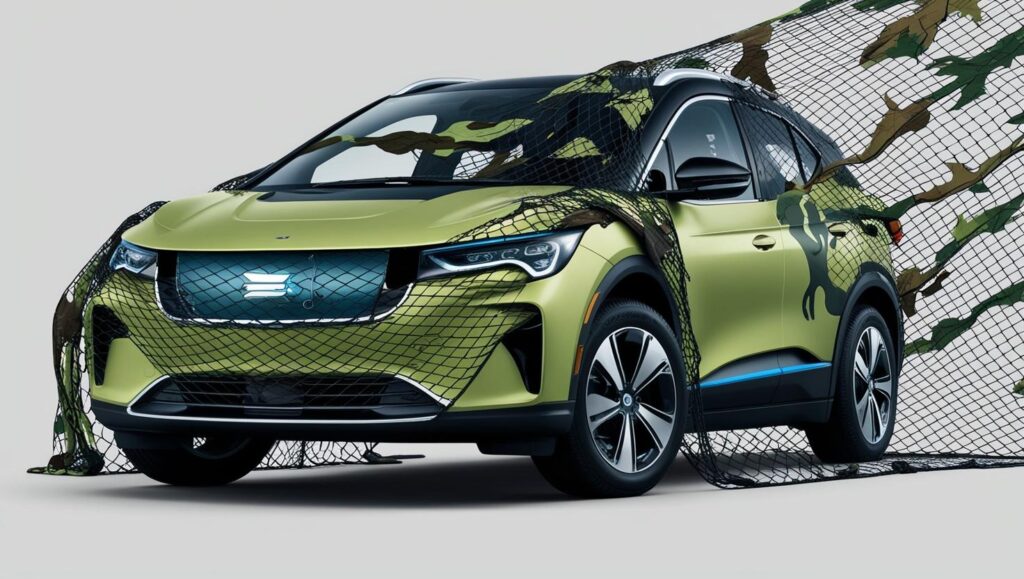
So, are EVs really the clean energy saviors we think they are? Or are they just playing a high-stakes game of environmental hide-and-seek?
Let’s plug in and find out.
Wait… Isn’t an EV Always Cleaner Than a Gas Car?
Yes, but it’s complicated.
EVs have no tailpipe emissions, which means zero pollution coming directly from your car. That’s great news for air quality in cities—no more exhaust fumes giving pedestrians an unwanted lung workout.
But let’s not act like electricity comes from a magical clean-energy fairy. It has to be generated somewhere, and in most of the world, that still means fossil fuels.
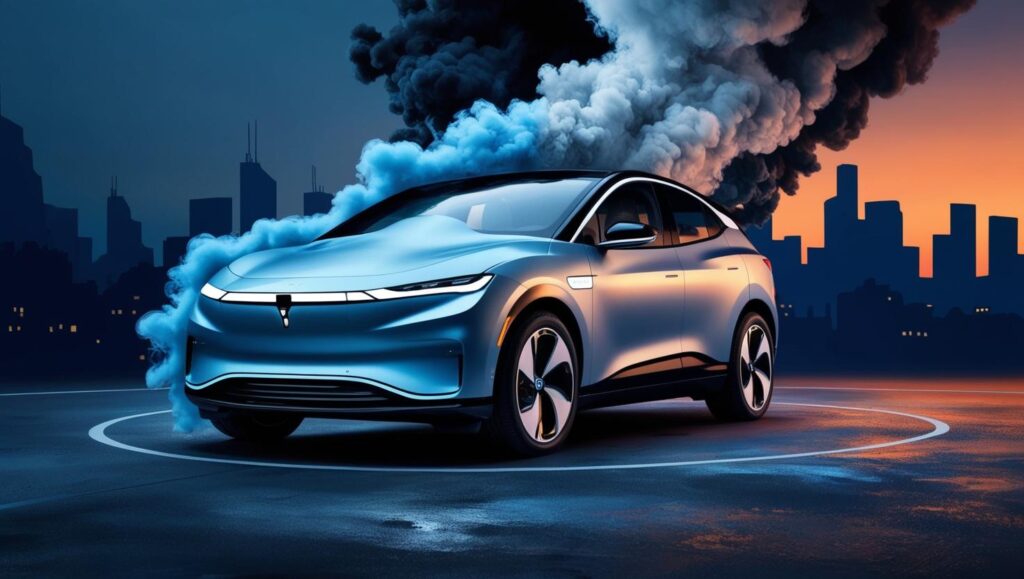
Where Does Your EV’s Electricity Actually Come From?
Your EV doesn’t run on good intentions. It runs on whatever powers your local grid. And depending on where you live, that could be:
- Coal (aka: the OG climate villain) – The dirtiest fuel in the game, still powering grids in the U.S., China, India, Germany, and many other places.
- Natural Gas (slightly less bad, but still bad) – Emits less CO₂ than coal, but it’s still a fossil fuel and still contributes to global warming.
- Nuclear (clean but controversial) – No emissions, but people get nervous about waste and meltdowns.
- Hydropower (renewable but not perfect) – Good for emissions, bad for river ecosystems.
- Solar & Wind (the dream) – Clean, green, and growing fast—but still not enough to power everything.
The Global Grid Reality Check
- China – The world’s EV capital is still over 60% powered by coal. So, many EVs there? Coal-powered cars with fancy branding.
- United States – It varies. If you’re charging in California, congrats—you’re likely running on renewables. If you’re in West Virginia, well… enjoy your coal-powered Tesla.
- Europe – France has lots of nuclear (clean-ish), Germany still burns a ton of coal, and Norway is basically running on hydropower flexing on the rest of the world.
So unless you live somewhere with a mostly renewable energy grid, your EV might be a cleaner alternative—but not a clean one.
EVs vs. Gas Cars: The Full Emissions Picture
Alright, even if an EV gets its power from a coal-heavy grid, is it still better than a gas car? Usually, yes—but not by as much as you think.
1. EVs Win in Overall Efficiency
EVs convert about 77% of the electricity they use into movement. Gasoline cars? Only about 12-30%. That means even if your electricity comes from fossil fuels, an EV still uses energy more efficiently than a gas car.
2. Manufacturing an EV is Way Dirtier
EVs start their life with a bigger carbon footprint because battery production is energy-intensive. Mining lithium, cobalt, and nickel (which we covered in our last rant) cranks up emissions right from the start.
On average:
- A new gas car starts with about 7-10 tons of CO₂ emissions from production.
- An EV? More like 10-14 tons.
BUT—EVs catch up because they have lower emissions over time. Depending on your power grid, it takes about 1-3 years of driving before an EV breaks even with a gas car.
How to Actually Make EVs Clean(er)
EVs have the potential to be a true clean-energy solution. But for that to happen, we need to:
1. Fix the Grid First
- Until electricity comes from mostly renewable sources, EVs will still be tied to fossil fuels.
- Governments need to invest in solar, wind, and nuclear (if people can stop panicking about it).
- More home solar charging setups could reduce grid dependence.
2. Make Charging Smarter
- Charging an EV at night when electricity demand is low = more fossil fuels being burned (because wind & solar drop off).
- If people charge EVs during peak solar hours, we can maximize clean energy use.
3. Improve Battery Recycling
- Instead of constantly digging up more lithium, let’s actually recycle old batteries and create a circular battery economy.
- Right now, less than 5% of lithium-ion batteries get recycled. That number needs to shoot up fast.
4. Keep Developing Better Battery Tech
- Solid-state batteries (if they ever become real) could make EVs way cleaner.
- Sodium-ion batteries could cut lithium demand and make EVs more sustainable.
Final Verdict: Are EVs Just Hiding Emissions?
Right now?
Kinda, yeah.
If your grid runs on fossil fuels, your EV is still connected to that pollution. It might not be spewing exhaust out of a tailpipe, but the emissions are just happening somewhere else.
That doesn’t mean EVs are bad—they’re still a step forward. But until electricity grids run mostly on renewables, EVs aren’t the silver bullet we’re pretending they are.
So before you flex about how your EV is “saving the planet,” maybe ask:
🚗 What’s actually charging my car?
⚡ Is my electricity coming from clean energy or a smokestack?
🌍 Are we fixing the system, or just shifting the problem?
Until we get those answers right, EVs are just playing environmental hide-and-seek.
Disclaimer: Before you get all charged up (pun intended) and start drafting an angry tweet, let’s get one thing straight: This isn’t an anti-EV manifesto. I’m not saying you should trade in your Tesla for a coal-powered unicycle or start guzzling gasoline for fun. EVs are cool. EVs are the future. But let’s not pretend they’re rolling around on pure unicorn farts and sunshine.
If your car is plugged into a grid powered by fossil fuels, you’re basically just outsourcing your emissions—like sweeping dirt under the rug and calling the floor clean.This article contains facts, sarcasm, and a slight reality check. If you experience symptoms of denial, frustration, or an uncontrollable urge to defend Elon Musk in the comments, please consult a local scientist. Side effects may include critical thinking, mild discomfort, and the sudden realization that “green” doesn’t always mean “clean.”
You have been warned. Now, let’s dive in. 🔌⚡🚗
